
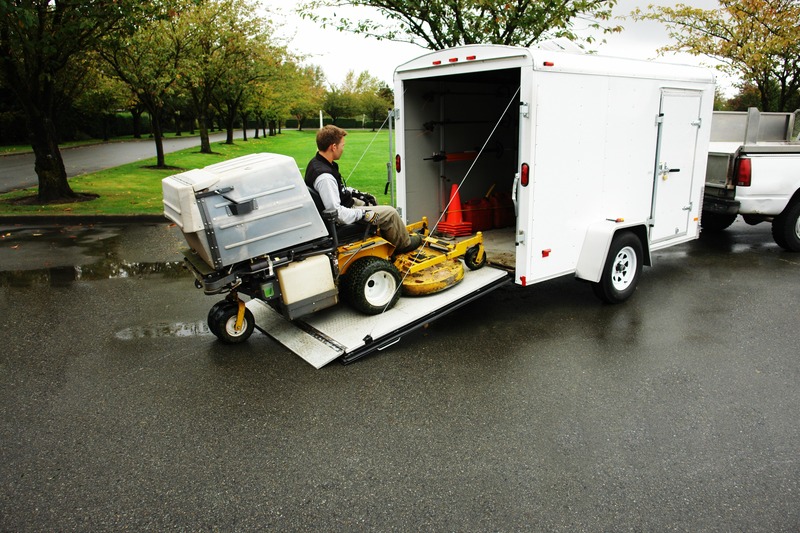
Deciding on the perfect cargo trailer size can feel overwhelming, but it’s one of the most critical decisions you’ll make when buying a cargo trailer. The right enclosed trailer size isn’t just about fitting your gear; it’s about ensuring safe towing, easier loading and unloading, and maximizing your investment. Too small, and you’ll quickly run out of space; too large, and you might struggle with maneuverability or unnecessary towing costs. This guide will walk you through everything you need to know about choosing the ideal cargo trailer size for your specific needs.
What Size Cargo Trailer Do I Need?
The best cargo trailer size depends on what you plan to haul, but it also comes down to interior width and height, not just length. A taller trailer can let you stand upright or stack items more efficiently, while a wider trailer gives you more usable floor space. If you are between sizes, it is usually smart to go slightly bigger to cover future needs or unexpected extra cargo.
Common Enclosed Cargo Trailer Sizes at a Glance
Small (4x6, 4x8, 5x8)
Compact, easy to maneuver, and often single axle. Ideal for small moves, camping gear, ATVs, light business use, and general personal hauling.
Medium (6x10, 6x12, 7x14)
A versatile sweet spot, often available in single or tandem axle configurations. Great for small business contractors, multiple motorcycles, larger household moves, or frequent recreational hauling.
Large (7x16, 8x16, 8x20)
Serious hauling capacity, typically tandem axle. Perfect for professional use, car hauling, band equipment, larger equipment, or significant moving tasks.
Extra-Large (8x24 and beyond)
The biggest options, usually tandem or triple axle. Designed for mobile workshops, specialized equipment, extensive commercial use, and heavy duty transport.
How to Measure What Will Actually Fit
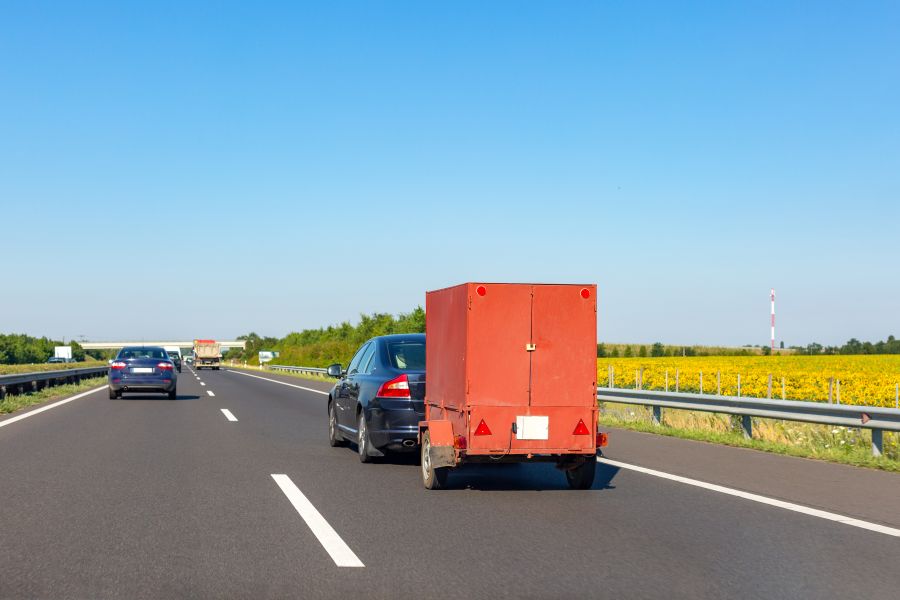
Don’t choose a trailer based on the listed cargo trailer size alone. Before you commit, think in terms of usable space: what you can actually load through the door, how much clear floor you have once wheel wells are included, and whether your items can sit flat without awkward angles.
Interior Dimensions vs. Advertised Size
Manufacturers list trailer sizes by the exterior box dimensions, but the true interior space is usually smaller. Wall thickness, framing, and interior panels all reduce usable width and length. For example, a trailer advertised as 6×12 may have an interior width closer to 5’8″ and an interior length around 11’10”. That difference matters when you’re trying to fit furniture, appliances, or equipment that needs to sit straight instead of diagonally. If you have a “must-fit” item, measure it first, then compare it to the trailer’s interior space, not just the model specs.
Door Opening Size and Type
The rear opening is often smaller than the trailer’s interior width and height, which can surprise people on loading day. The door frame, hinges, and trim reduce clearance, so always measure the opening if you’re loading wide items like tool chests, pallets, furniture, or tall equipment. Door type matters, too:
- Ramp doors typically provide the widest, most convenient opening for rolling items in and out.
- Barn doors can work well for boxed cargo, but the usable opening can be tighter depending on the design.
If you’re hauling something tall, also check whether it clears the opening and fits upright once inside.
Wheel Wells and Interior Obstructions
Wheel wells take up valuable floor space, especially on narrower trailers where every inch counts. Even if an item technically fits by width, it may not sit flat on the floor if the wheel wells force it to ride up or angle inward. This is a big deal for loads that need full floor width, like ATVs, side-by-sides, cabinets, or large furniture. When planning your layout, measure the narrowest point between wheel wells and consider other obstructions like interior framing, tie-down tracks, or shelving if included.
Stacking vs. Floor Space Planning
Before choosing a cargo trailer size, decide whether your load can be stacked or needs clear floor space. Boxes, totes, and packaged inventory stack well, so interior height and how securely you can strap layers down become the priority. Motorcycles, ATVs, furniture, and rolling equipment usually cannot be stacked, which makes usable floor width and length the real limiting factor. A quick way to avoid loading surprises is to measure your largest item, plan how it will sit between wheel wells, and make sure you still have room for tie-downs and safe weight placement.
Size-by-Size Guide: What Fits in Common Enclosed Trailers
Let’s break down what typically fits into popular cargo trailer sizes:
4×8 Enclosed Cargo Trailer
Best for
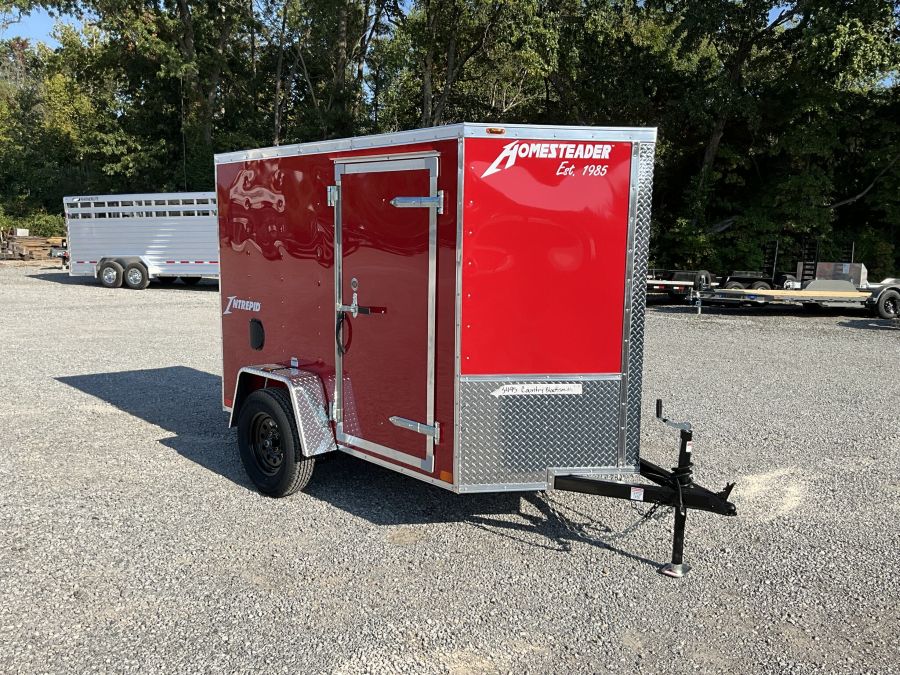
A 4×8 enclosed trailer is a practical step up from a smaller 4×6, giving you a little more room for everyday hauling while still staying compact and easy to tow. It works well for small utility tasks, moving boxes, luggage, tools, camping gear, and small lawn equipment, and it can also be a good fit for band equipment, small furniture, or a dirt bike. In some cases, it may even handle a single ATV if the overall width and wheel well spacing allow.
Notes to watch
Even with the extra length, this is still a compact trailer and many models are single axle, so payload and stability depend heavily on build specs and proper weight placement. Pay close attention to the rear door opening since it can be tighter than the interior measurements, and confirm your widest items will clear the wheel wells and sit flat where you need them to.
5×8 Enclosed Cargo Trailer
Best for
A 5×8 enclosed trailer builds on the 4×8 by giving you a bit more width, which can make loading and securing cargo much easier. This cargo trailer size is a strong choice for small contractor tools, multiple dirt bikes, and more substantial camping trips when you need extra room for gear without moving up to a longer trailer.
Notes to watch
This is a popular small size, but many models are still single axle, so pay attention to payload limits and weight placement. It’s also smart to check interior height and rear door clearance if you plan to haul taller items, since the doorway can be the limiting factor even when the trailer’s floor space is sufficient.
6×12 Enclosed Cargo Trailer
Best for
A 6×12 enclosed trailer is one of the most versatile options because it builds on what a 6×10 can do while giving you extra length for easier loading and better layout flexibility. It’s a strong fit for small business inventory, light construction equipment, motorcycles, larger lawn care equipment, and small moving jobs. Many owners choose this cargo trailer size for residential moves, landscaping work, and hauling multiple motorcycles or an ATV, especially when they want a balance between capacity and maneuverability.
Notes to watch
A 6×10 is often the smallest size where you may find tandem axle configurations, which can improve stability and increase payload depending on the build. A 6×12 is one of the most popular cargo trailer sizes because it offers more usable floor space without becoming difficult to tow or park, but you still need to confirm door opening clearance and interior width between wheel wells to make sure your largest equipment loads in smoothly.
7×16 Enclosed Cargo Trailer
Best for
A 7×16 enclosed trailer is a major jump in usable space and a popular choice for people who need room to work and organize cargo inside the trailer. It’s a strong fit for professional contractors, large moving jobs, band equipment, dedicated mobile workshops, and even car hauling for smaller vehicles when the trailer is equipped properly. A 7×14 offers similar benefits with slightly less length, making it a great option for medium-sized contractors, tradespeople, larger moving tasks, race car tires and tools, and event vending, especially when extra width is more important than maximum length.
Notes to watch
Most 7×14 and 7×16 trailers are tandem axle, which improves stability and usually increases payload capacity, but you still need to match the trailer’s GVWR to your tow vehicle’s capabilities. The 7-foot width is a big advantage for wider items and creates better walk space for loading, vending, or workshop-style use, but always verify ramp capacity, door opening dimensions, and tie-down points if you plan to haul vehicles or heavy equipment.
8×20 Enclosed Cargo Trailer
Best for
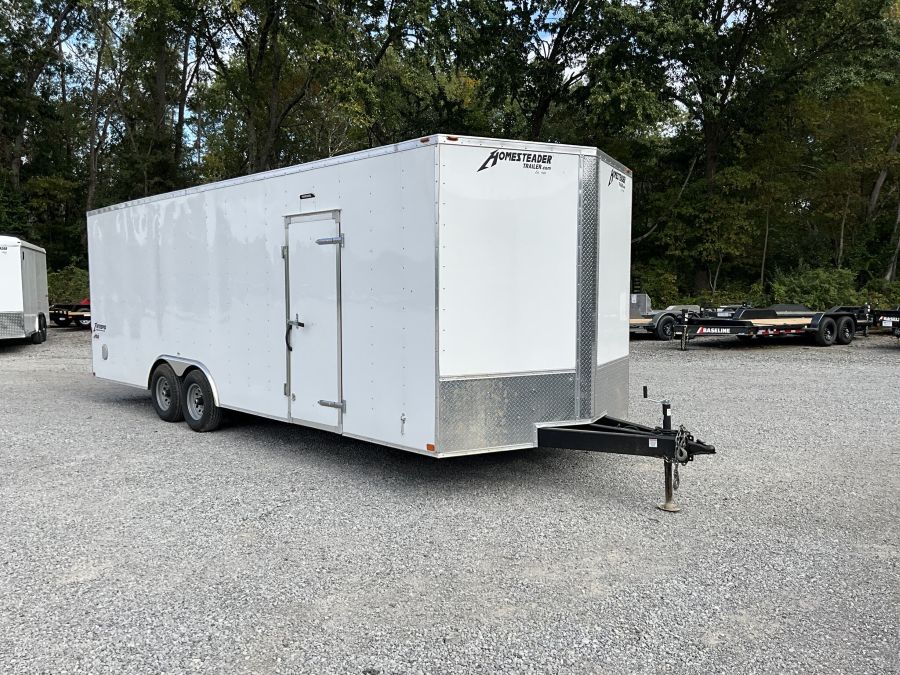
An 8×20 enclosed trailer is built for big loads and frequent use, making it a smart cargo trailer size for heavy-duty contractors, transporting larger vehicles, serious event setups, and large mobile businesses that need space to haul and organize gear efficiently. With the added width and length, it also works well for crews and operations that want room to stage equipment inside the trailer instead of unloading everything at once.
Notes to watch
An 8×20 requires a capable tow vehicle and careful attention to the trailer’s GVWR, braking setup, and proper weight distribution. It also takes more space to maneuver, so think about turning radius, parking, and where you’ll store it when it’s not in use.
Don’t Forget Towing Limits: Weight Rating and Payload Basics
Even the perfect cargo trailer size can become unsafe if you overload it or exceed what your tow vehicle can handle. The most important number to know is the GVWR (Gross Vehicle Weight Rating), which is the maximum total weight of the trailer when it’s fully loaded, including the trailer itself and everything inside. Your actual payload capacity is what you can safely put in the trailer, and you calculate it by subtracting the trailer’s empty weight from its GVWR. Going over these limits can create serious problems, including tire blowouts, axle damage, brake failure, poor handling, longer stopping distances, and even legal issues, so it’s essential to match both the trailer and tow vehicle to the job.
Features That Can Make a Smaller Trailer Work Like a Bigger One
Sometimes you can get more out of a smaller cargo trailer size by choosing the right features instead of simply going larger. Extra interior height can make a big difference by allowing you to stack cargo more efficiently, keep taller equipment upright, or move around more comfortably inside. The rear door setup matters, too: a ramp door makes it much easier to load rolling equipment like mowers, ATVs, and dollies, while barn doors can offer wider access for certain loading situations but may be less convenient for rolling items. Inside, well-placed tie-down systems like D-rings, E-track, or L-track help you secure cargo efficiently and prevent shifting, and options like shelving or cabinets can improve organization. Finally, don’t overlook axles and brakes since tandem axles generally improve stability and capacity, and electric brakes are a major safety advantage when you’re towing heavier loads.
Get The Cargo Trailer Size That Works for You
Choosing the right cargo trailer size is paramount for safety, efficiency, and satisfaction. By carefully considering your intended use, measuring your cargo, and understanding weight limits, you can select an enclosed trailer that perfectly meets your needs. Don’t underestimate the importance of features like extra height or ramp doors in optimizing your space.
Ready to find your ideal cargo trailer? Explore our extensive inventory of new and used enclosed trailers in all sizes. Our experts are here to help you navigate the options and select the perfect trailer for your next adventure or big job.
Let’s Find Your Perfect Trailer
No matter what you’re hauling or where you’re headed, Country Blacksmith Trailers has the perfect trailer to get the job done. We proudly carry a huge selection of high-quality trailers from trusted manufacturers, all backed by expert service and support you can count on. Whether you need a trailer or truck service body, you’ll find durable, dependable options at competitive prices right here in Illinois.
